
Guide
Weather Seals and Draughts on Gurnee Garage Doors
Gurnee homes from the 1980s and 90s often have failed door seals letting in cold air. Here's what causes the draughts and what fixing them actually involves.
Local detail
The Seasonal Bit
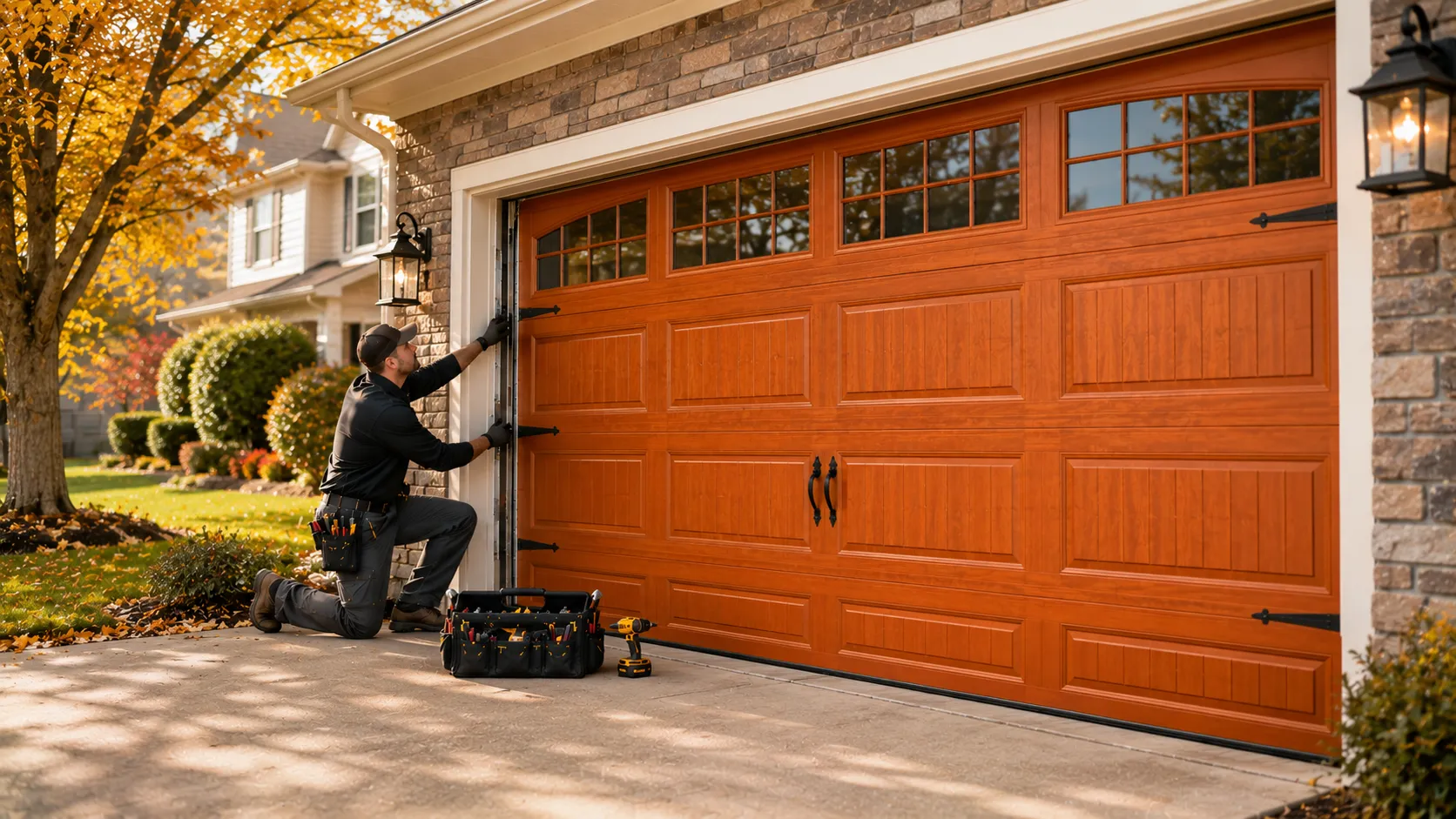
Every fall we get calls that all sound the same: cold air pooling along the bottom of the garage door, a line of frost on the inside of the panel, maybe a draft strong enough to move a hanging shop rag. It's not random. Gurnee sits in a cold moderate climate band, which means the seal on your door isn't dealing with one hard freeze a year - it's cycling through freeze and thaw repeatedly across a long winter. That cycling is what kills rubber.
The bottom astragal seal flexes every time the door closes, and cold makes rubber stiff and brittle before it ever looks cracked. By the time you can see daylight under the door, the seal has usually been failing for a season or two already. The fix people expect is caulk or a draft stopper from the hardware store. Sometimes that buys a little time.
More often the seal itself, or the track it rides in, needs to come off. We don't push replacement on every service call - a seal that's just gone hard but not split can sometimes be reset if the retainer track underneath it is still square. That's a five-minute check, not a guess, and it's worth doing before you commit to a full strip-out.

The area
What Is Going On
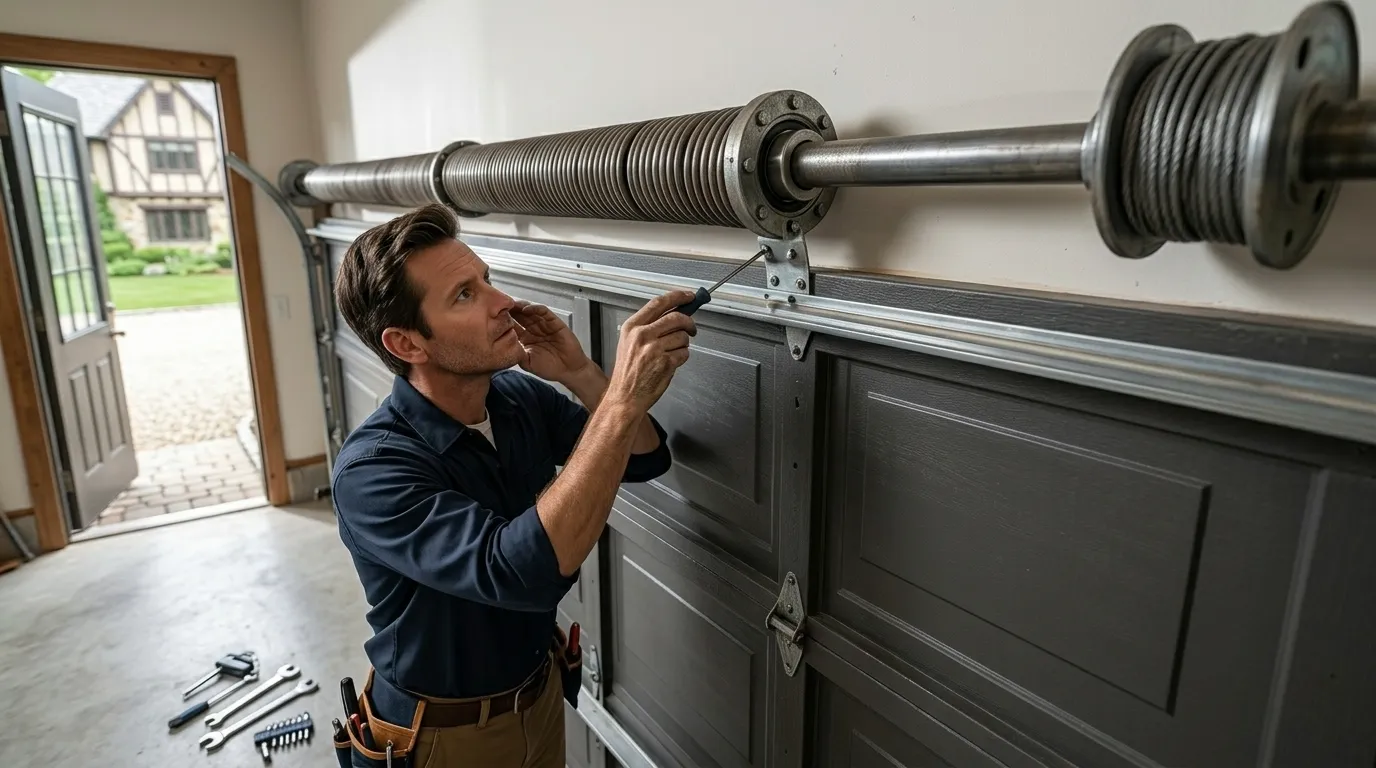
Housing stock across this part of the service area was mostly built between 1946 and 2009, with the bulk of it going up in the 1980s and 90s - median build year sits around 1986. That matters here specifically because doors from that era were built to a lower weatherproofing standard than what ships today. The bottom seal on an original 1986 door is usually a single narrow bulb of vinyl, not the double-fin astragal you see on newer installs.
That thinner seal compresses less and tears sooner, especially once the track it sits in has picked up thirty-plus years of dirt and rust pitting. On top of that, a lot of these garages were framed with a slab that's settled slightly over the decades, which throws the door out of square by a fraction of an inch - enough that the seal can't make full contact along the whole width even when it's brand new. So what looks like
What we find
What Local Conditions Do
Cold moderate winters don't just harden the seal - they work on the whole opening. Metal track contracts in the cold, which can open a hairline gap between the door edge and the jamb that wasn't there in July. Wood jambs common on the older end of this housing stock (built pre-1990) shrink slightly as heating season dries out the air inside the garage, pulling the frame away from the door edge by just enough to whistle.
None of this shows up as a single dramatic failure. It shows up as a slow accumulation: a seal that's a little harder each winter, a jamb that's a little more out of true, a threshold gasket that's cracked in three places instead of one. By year fifteen or twenty of a door's life, in this climate, most of the weatherproofing is compromise rather than seal.
That's normal wear for the conditions here, not a sign the door is failing structurally. The panels and springs can easily outlast the seals by a decade if nobody ever looks at the rubber.
How we work
What It Costs
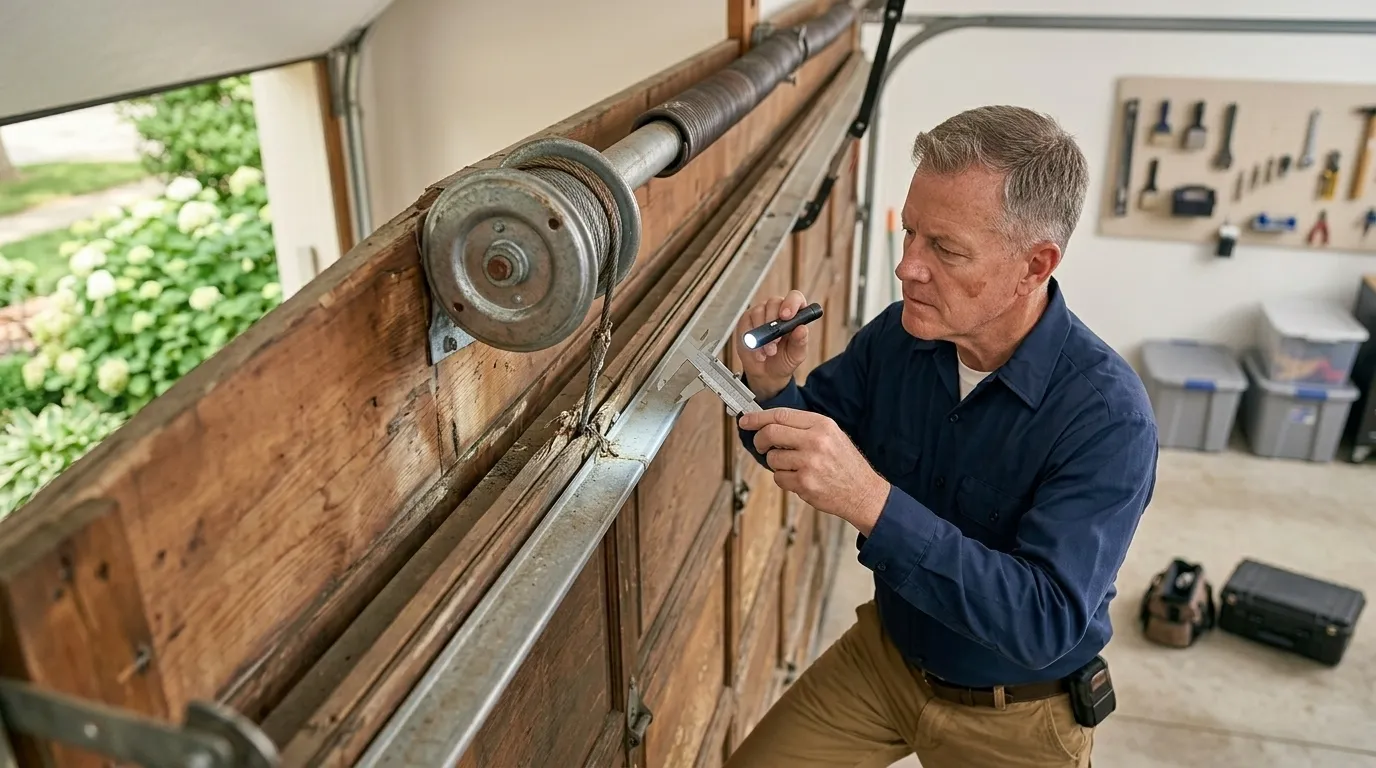
We're not going to put a number here that doesn't hold up once we're standing in your garage. Seal replacement cost depends on door width, whether the retainer track needs replacing along with the vinyl, and whether the jamb needs any correction to get full contact - none of which we can price from a description over the phone. What we can tell you honestly: a straightforward bottom-seal swap on a standard door is a short job, not a multi-day project, and it's almost always cheaper than the heating bill you'd eat over a full winter with a bad seal.
Where cost climbs is when the track is rusted enough to need replacing too, or when the door's out of square and needs shimming before a new seal will even seat right. We'll tell you which situation you're in before we start, not after.
Questions
Common questions
How do I know if it's the seal or the door itself that's letting in cold air?
Close the door and run your hand along the bottom edge and both side jambs from inside. If you feel air at the bottom only, it's the seal. If you feel it along the sides too, the door may be out of square against the frame, which is common in houses from the 1980s and 90s as the slab has settled slightly over the years.
Can I just add a second seal on top of the old one?
You can, and some kits are made for that, but it only works if the existing track is still holding the seal straight. If the retainer track is bent or rusted, a second seal will bunch up and fail faster than the first one did.
Does a bad seal mean the door is old and needs full replacement?
Not usually. Seals wear out well before the panels, springs, or opener do, especially in a climate that cycles through freeze and thaw all winter. Replacing the seal and checking the track is normally enough on a door that's otherwise sound.
Why does my neighbor's identical house not have this problem?
Two houses built the same year can weather differently depending on which way the garage faces, how much the slab has settled, and whether a seal was ever replaced. Age alone doesn't determine when a seal fails - how it's been maintained does.
Ready when you are
Need a garage door sorted in Gurnee?
Gurnee Garage Door Pros repairs and installs garage doors, springs and openers in Gurnee, IL and the surrounding area.