
Gurnee, IL
Garage Door Installation in Gurnee: What the Job Actually Involves
Thinking about installing your own garage door in Gurnee? See why the area's 1980s-era housing stock and cold winters make this a two-person, right-tools job.
What we do
Garage door work in Gurnee
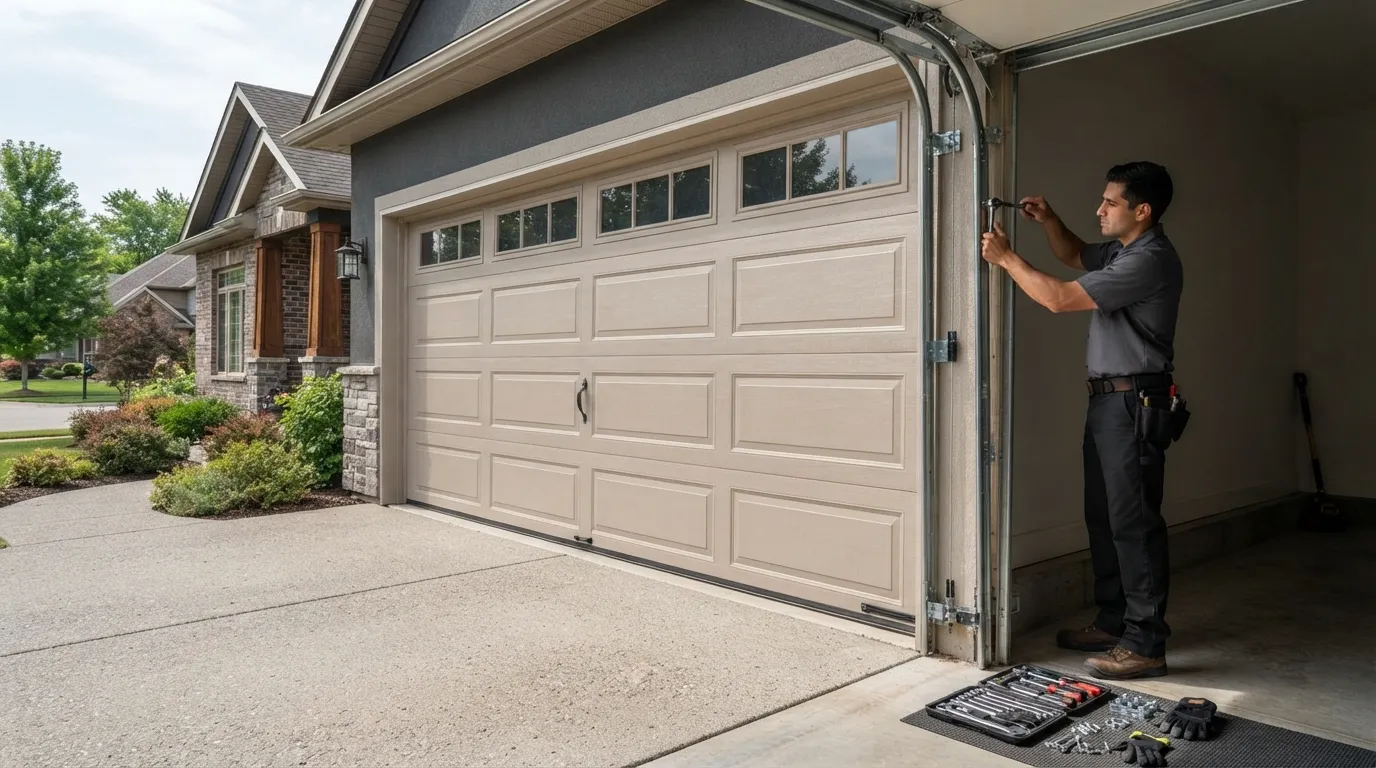
Garage Door Repair for Gurnee Homes
Garage door repair for Gurnee homes built mostly in the 1980s and 90s, where cold winters and aging torsion springs cause the most common breakdowns. Learn more →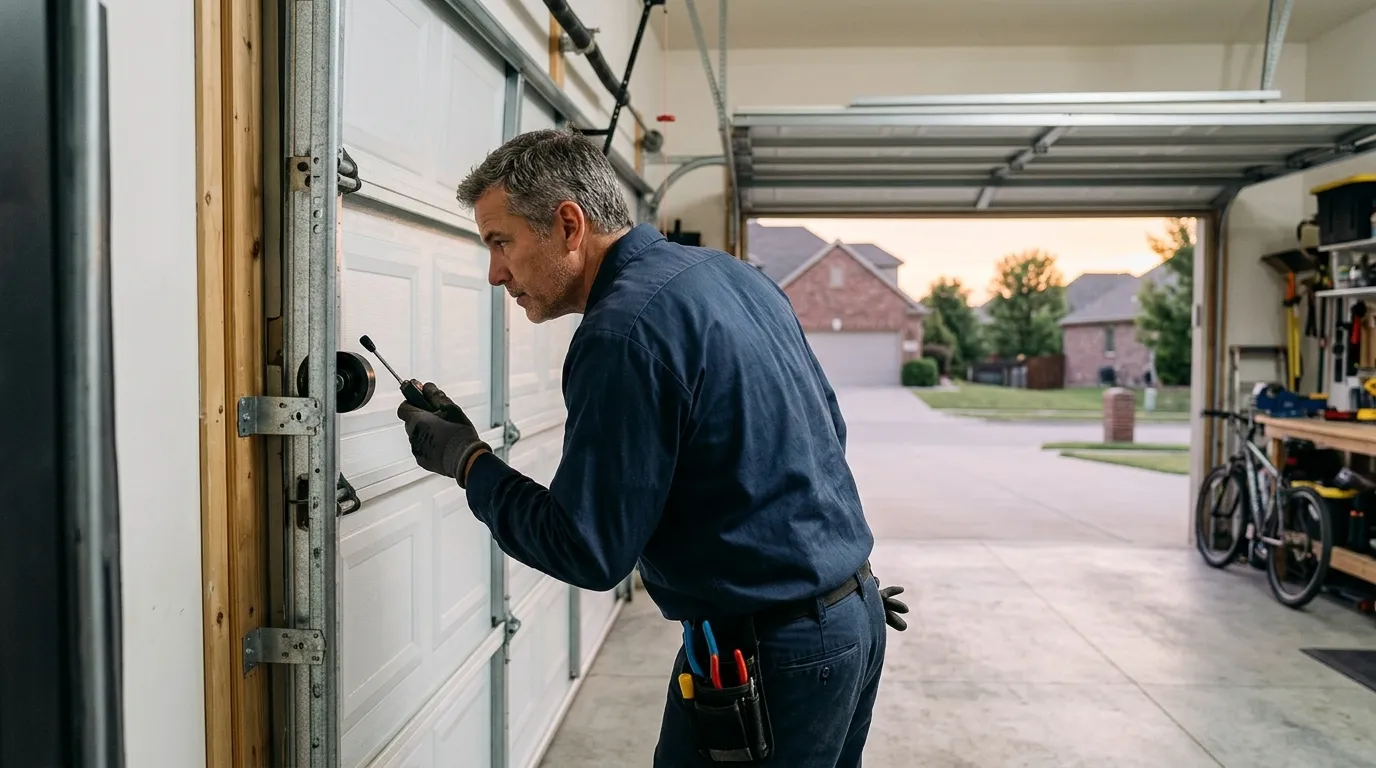
Garage Door Service for Gurnee Homes
Garage door service for Gurnee homes built mostly in the 1980s and 90s, where cold mornings and original hardware are the most common reasons a door quits. Learn more →Local detail
Doing It Yourself
A new garage door kit looks straightforward on the box: panels, tracks, a spring assembly, some hardware. Plenty of Gurnee homeowners start here, especially on a Saturday with a rental truck already in the driveway. The panels aren't the hard part.
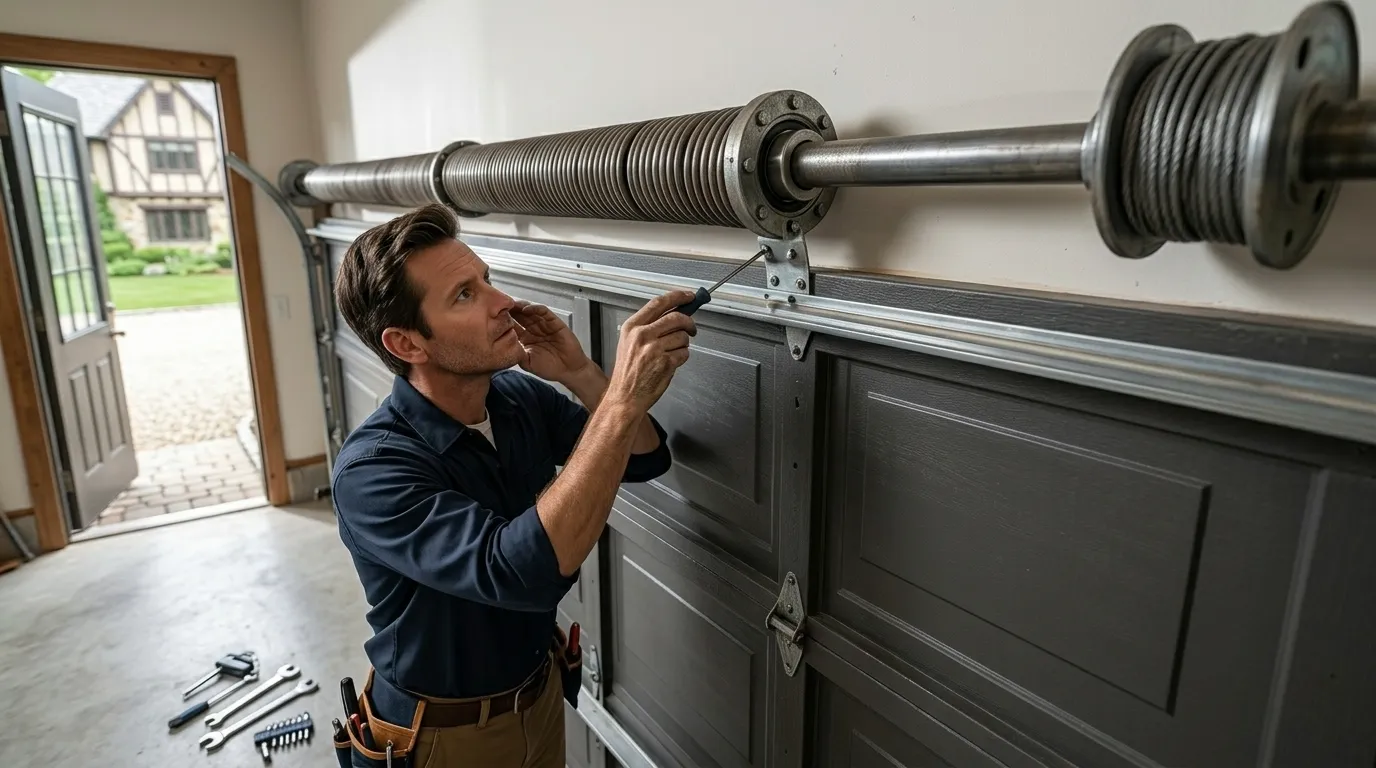
Winding a torsion spring to the right number of turns is where most DIY installs go sideways, and it's the step that puts people in the ER when the winding bar slips. Doors on standard 7-foot openings need a spring wound to a specific tension for the door's weight - guess wrong and the door either won't lift or slams down with enough force to bend a track. You also need the opening square before you set the track, and on a house built any time between 1946 and 2009 (which covers most of this area, per F1), framing has usually settled a little.
A quarter-inch of racking in the jamb throws off roller alignment for the life of the door. None of this means it can't be done. It means the tool list is longer than a screwdriver and a level, and the margin for error with a wound spring is close to zero.

The area
Why This Fails Locally
Most of the housing stock around here dates to the 1980s and 90s, with the broader range running 1946 to 2009 and a median build year of 1986. That matters for installation because openings from that era were framed to older lumber and hardware standards - actual dimensions run a little narrower or shorter than what current door kits assume as default, so a stock-size door doesn't always sit flush without shimming. Then there's the climate. This is a cold, moderate band, which means steel doors, weatherstripping, and spring steel all move through a real seasonal swing - not extreme heat, but real freeze-thaw.
A track set true in July can bind by January once the slab and framing contract. An installer who works this area daily accounts for that movement when setting clearances; a one-time DIY install usually doesn't, because there's no way to know it's coming until the door's already hung. That's not a knock on anyone's handiwork - it's just a variable that doesn't show up in the instructions.
What we find
The Symptom
The way this usually shows up isn't dramatic. The door goes in, works fine for a few weeks, and then starts closing crooked - one side hits the floor before the other, or it reverses on the safety sensor for no clear reason. Sometimes it's a track that was plumb when installed but has since pulled a few degrees out as the header settled, which is common in the older end of Gurnee's housing range. Other times it's weatherstripping that never sealed right against a jamb that wasn't quite square, so cold air pushes through the gap all winter.
On a torsion system, a spring that was wound slightly off from day one will wear the cable unevenly, and you won't notice until the cable frays or the door starts drifting to one side on the way down. None of these are emergencies at first. They're just steady evidence that the install skipped a step, and by the time the door won't move at all, the fix usually costs more than getting the alignment right the first time would have.
How we work
Getting It Booked In
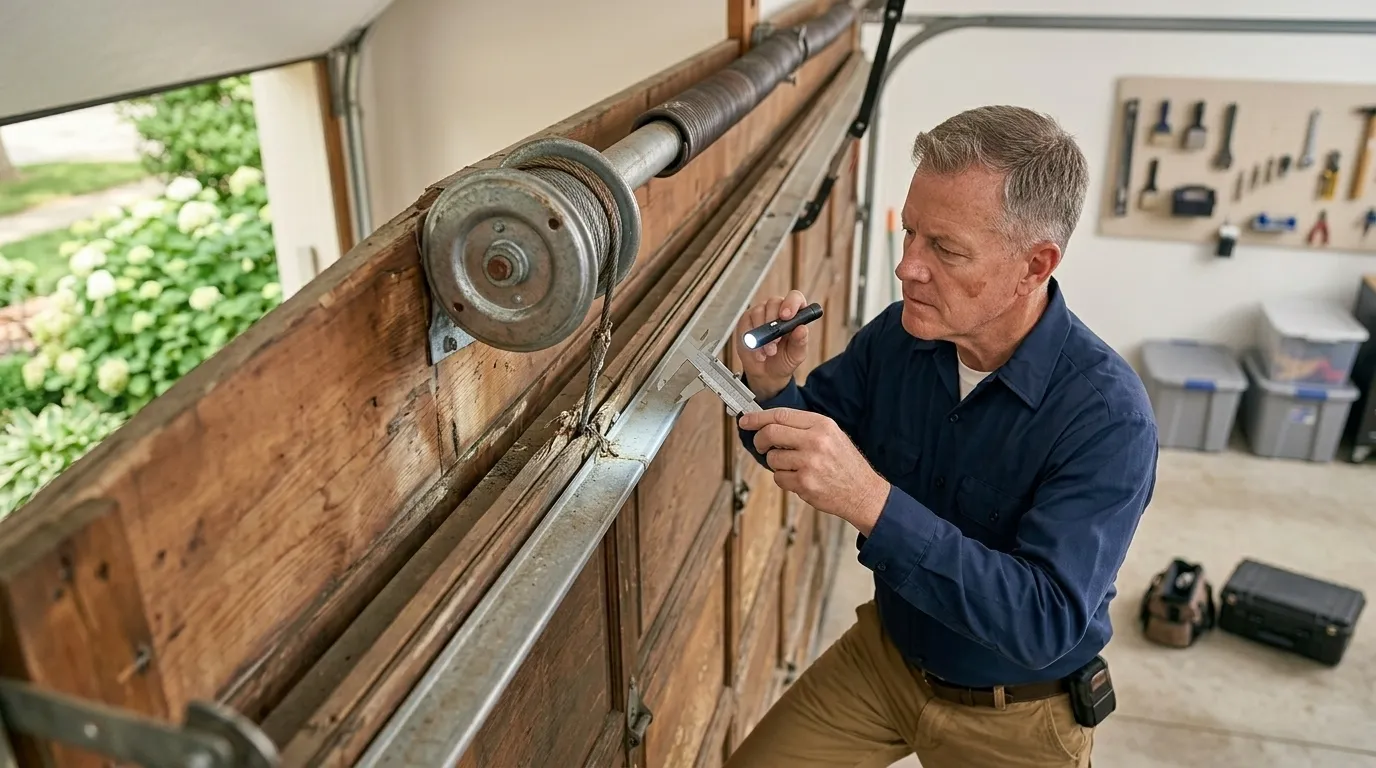
If you're weighing a new install against patching an old one, it helps to talk through what your opening actually needs before you buy a door off the shelf. We measure the opening, check the framing for square, and size the spring to the door and climate conditions rather than to a generic chart. One honest limitation: if your framing is significantly out of square or damaged, that's carpentry work we'll flag rather than force a door into - a garage door install can't fix a structural problem underneath it.
You can see more about how we work at [our home page](/). Booking is simple: we come out, look at the actual opening, and give you a straight answer on what it takes to do it right the first time.
Questions
Common questions
Can I install a garage door myself in Gurnee?
Mechanically, yes, if you have the tools and are comfortable winding a torsion spring under tension - that's the step with real injury risk. Given the framing quirks common in homes built between 1946 and 2009 in this area, getting the opening square and the spring tension right on the first try is harder than it looks from the instructions.
Why does my new door already sit crooked?
Usually it's an opening that wasn't quite square when the door went in, or a track that's shifted slightly as the framing settled - common in the area's older housing stock. Cold-season contraction can also pull a track out of alignment over a first winter.
Does the cold weather here actually affect a new door?
Yes. This area sits in a cold, moderate climate band, and steel doors, springs, and weatherstripping all move through the seasonal swing. A track and seal set in warm weather can bind or gap once temperatures drop, which is why clearances need to account for that shift at install time.
How do I know if my opening is out of square?
Measure the diagonal from each top corner to the opposite bottom corner - if the two measurements differ by more than a small margin, the opening is out of square. On older framing this is common enough that we check it as a standard step before setting any track.
Ready when you are
Need a garage door sorted in Gurnee?
Gurnee Garage Door Pros repairs and installs garage doors, springs and openers in Gurnee, IL and the surrounding area.