
1976 median build year
That's a different animal than what we see in the newer subdivisions closer to Gurnee. Libertyville's housing has a median build year of 1976, a decade older than the 1986 median across the rest of the service area we cover.
Libertyville, Gurnee
Libertyville homes mostly date to the mid-1970s, a decade older than the wider service area's 1986 median. We travel 6 miles from Gurnee to work on that older hardware.
Symptoms
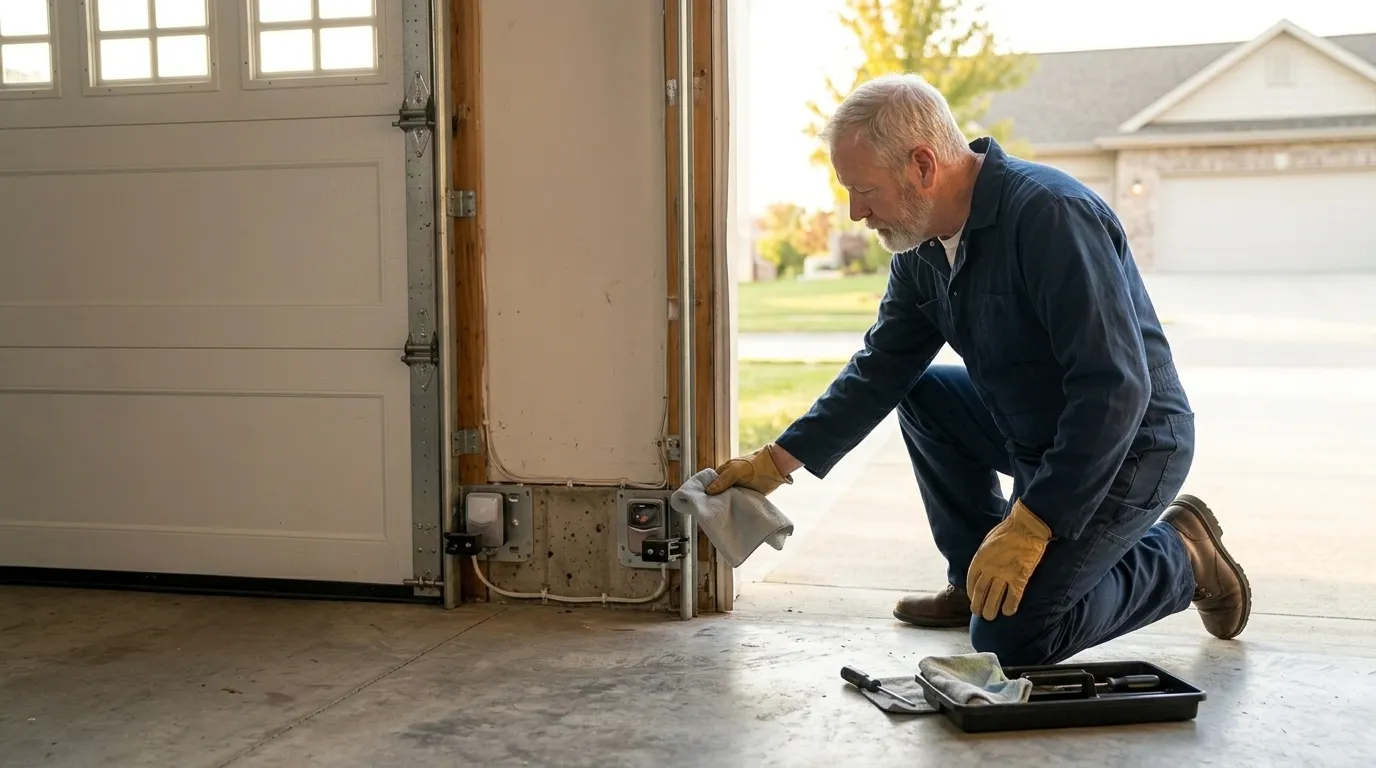
The call we get most from Libertyville isn't a door that won't open. It's a door that opens fine but shudders, drags, or slams the last six inches on the way down.
That's a different animal than what we see in the newer subdivisions closer to Gurnee. Libertyville's housing has a median build year of 1976, a decade older than the 1986 median across the rest of the service area we cover.
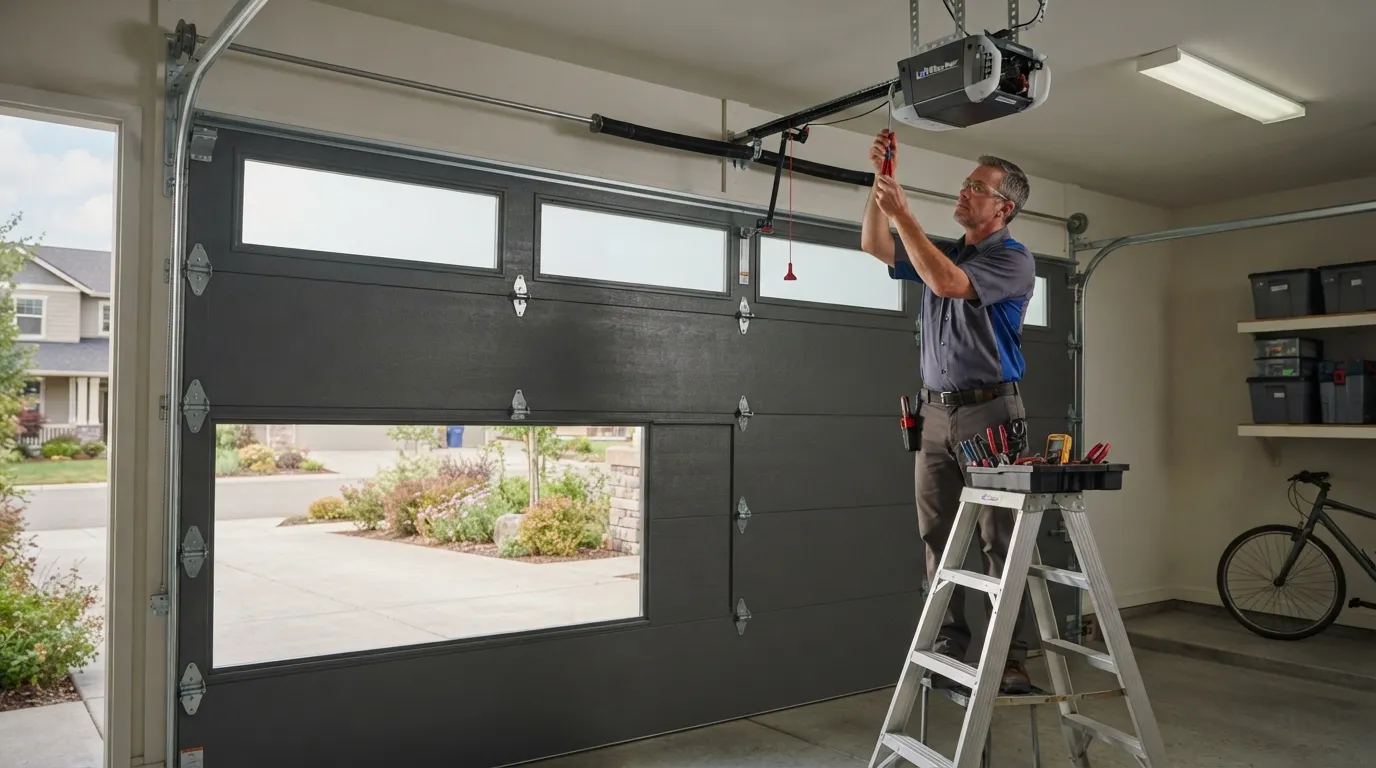
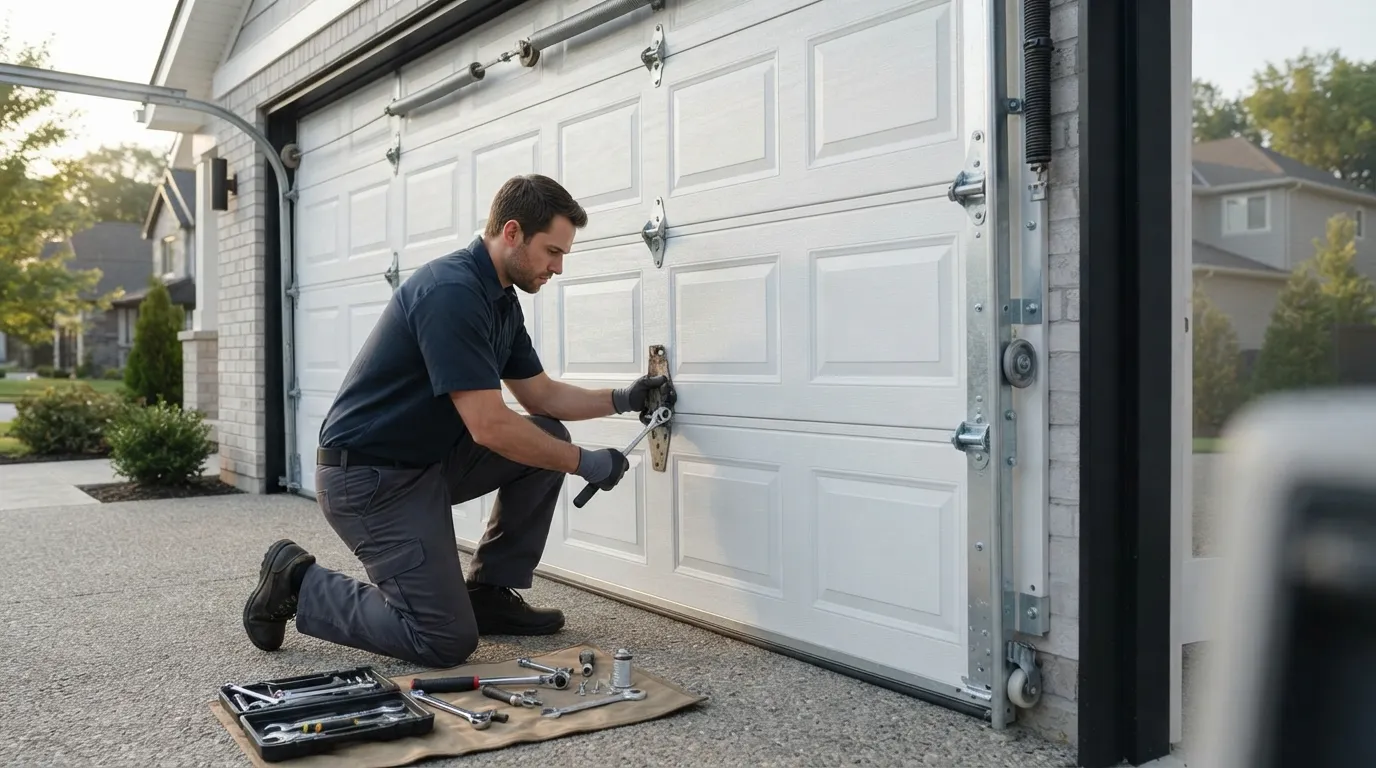
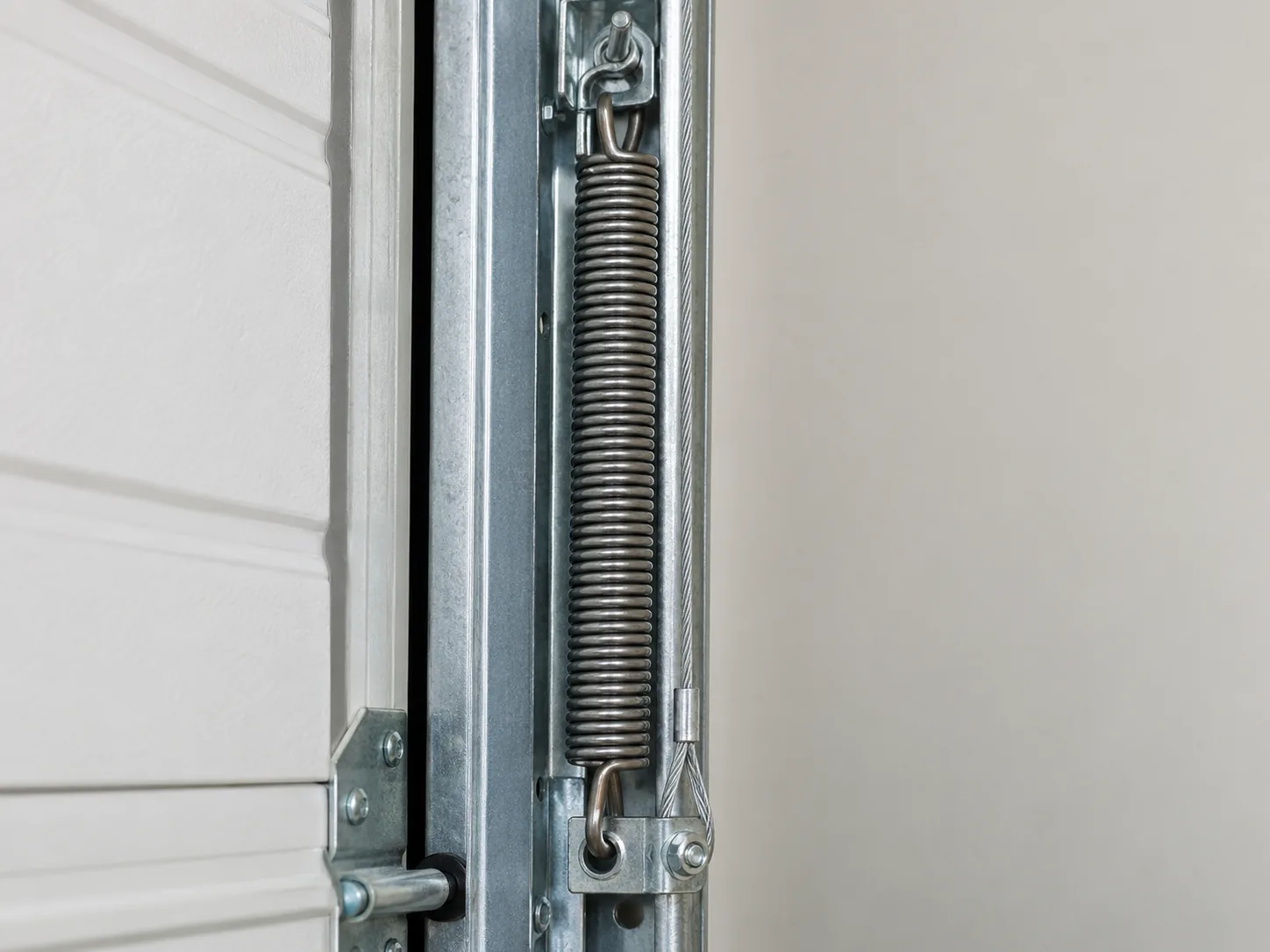
A house built in the mid-1970s was almost always fitted with a single steel door on extension springs mounted along the horizontal track, not the torsion bar over the header that's been standard since the 1980s. Extension spring setups age differently.
The springs stretch and lose tension unevenly, the pulleys wear, and the safety cables - if they were ever added - fray where they run through the coil. That uneven wear is what produces the drag and the slam. It isn't a symptom of a bad door. It's a symptom of a 45-plus-year-old spring system finally giving out.
Watch-outs
On a house from this era, three things fail in a predictable order. First, the extension springs themselves lose tension asymmetrically, so the door racks side to side in the track instead of coming down level.
Second, the galvanized track brackets loosen from decades of that racking, which chews the rollers and eventually bends the rail. Third, if the opener was ever upgraded, it's frequently a chain-drive unit bolted onto original hardware that was never designed for a motor pulling that hard on aging cable.
We also see original steel panel doors that were never insulated - fine for a garage used for storage, less fine now that Libertyville households have a median income of $162,270 and many are finishing garages as workshops or heated storage.
In a cold-moderate climate, an uninsulated single-layer door is the weak point in that plan. One limitation worth naming: if the track brackets have pulled far enough out of the framing, patching the bracket isn't a lasting fix. At that point the honest recommendation is usually a full track and spring conversion, not a repair.
Pricing
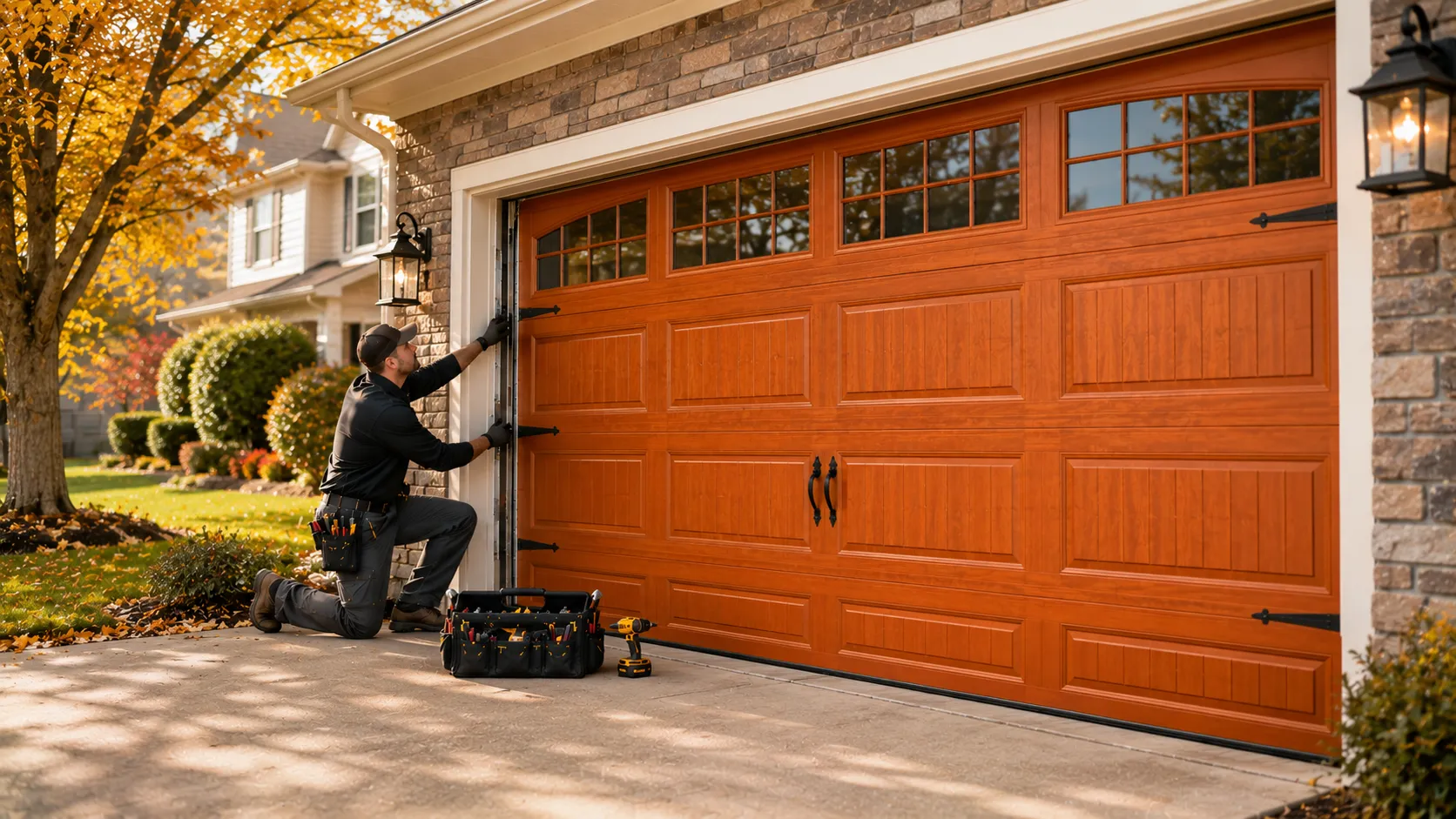
We don't quote a price without seeing the door, because a Libertyville job and a job in a newer part of the service area aren't priced the same way. Extension spring replacement on original 1970s hardware takes longer than a torsion spring swap on a house from the 1980s or 90s, since the pulleys and cable drums usually need attention too, not just the springs. If the track brackets have loosened enough to warp the rail, that's additional parts and labor beyond a spring job.
With 7,573 households in Libertyville and a median income well above the wider area's $113,697, we also see more requests to convert straight to torsion hardware and a new insulated door in one visit rather than patch the original setup piece by piece. That's a bigger job up front, but it eliminates the extension-spring failure pattern instead of chasing it every few years.
Booking
We run out of Gurnee, about 6 miles from Libertyville, so a call here goes on the same truck schedule as the rest of the area we cover.
Tell us the door's age when you call - if you know the house was built in the 1970s, that alone tells us to bring extension spring stock and cable rather than torsion parts, which saves a second trip if the wrong hardware is on the truck.
We don't keep a branch or drop-off counter in Libertyville itself. Every job here is a truck visit, scheduled the same way as any other stop on our route.
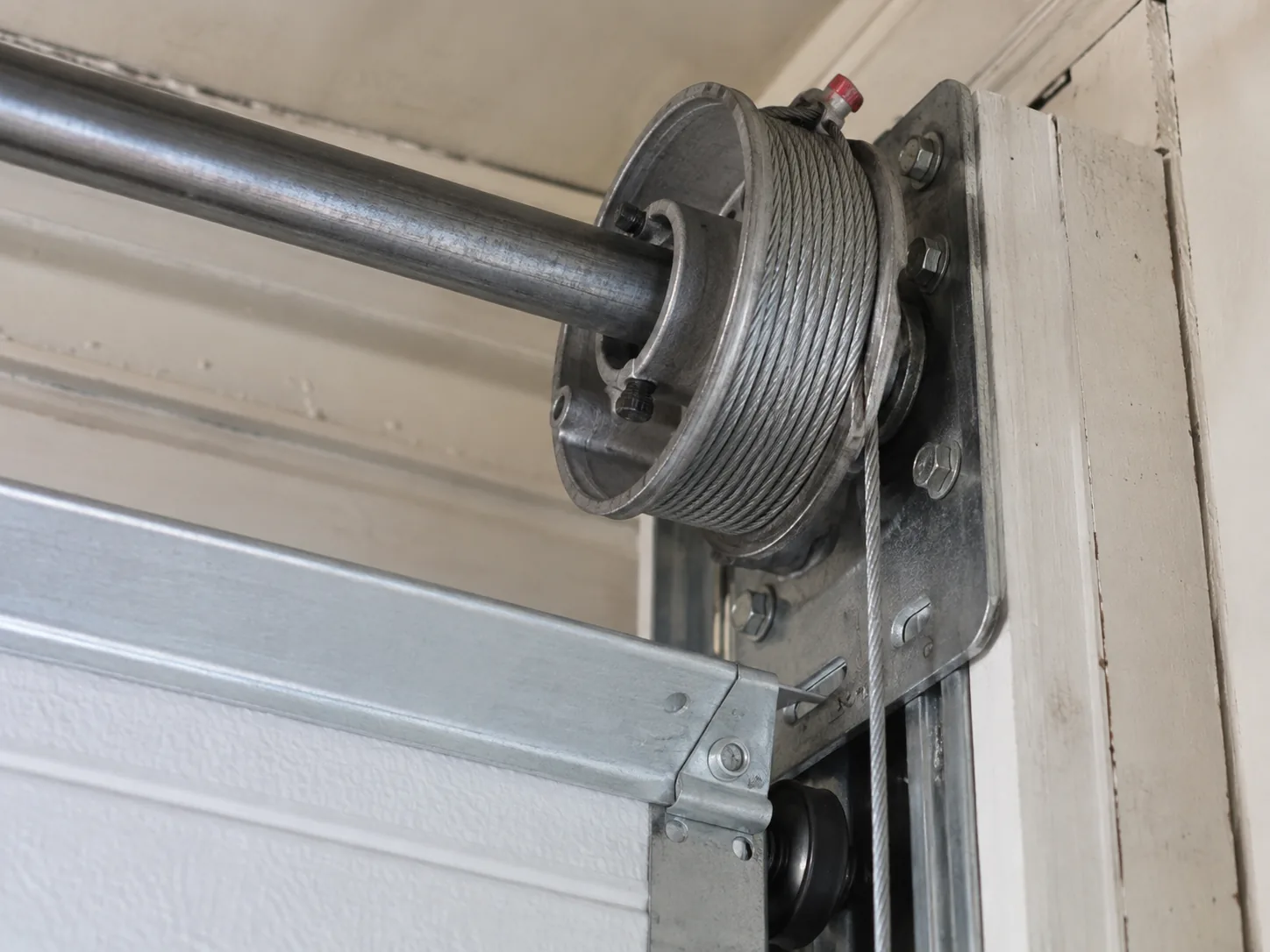
If you're not sure what era your hardware is, a photo of the springs - horizontal along the track versus a bar over the header - tells us in seconds.
Timing
A straightforward extension spring replacement on original hardware usually runs a similar window to any spring job elsewhere in the area - it's the diagnosis and parts match that take the extra care here, not the wrench time. Where Libertyville jobs run longer is when the track brackets have loosened enough that we're re-anchoring the rail into old framing, or when a chain-drive opener bolted onto 1970s hardware needs to come off entirely before we can get at the springs.
Full torsion conversions, when a homeowner chooses to replace the original system outright rather than patch it, take longer than a same-day spring swap since it's a structural change to the header, not just a parts swap. We'll tell you which category your job falls into before we start, not after.
Questions
On a house from Libertyville's era, that's almost always uneven wear in the extension springs along the horizontal track, not the opener. One side loses tension faster than the other, so the door drops unevenly and the last few inches fall instead of settling. It's a spring and pulley issue, not a motor issue, and it gets worse if left alone.
Yes, but if your home was built in the mid-1970s like most of Libertyville, we bring extension spring and cable stock specifically for that setup rather than torsion hardware. Telling us the approximate build year when you call helps us load the right parts before we drive out.
Often yes, if the door itself is original. A torsion conversion costs more up front than another spring patch, but it stops the cycle of repairing worn pulleys and cable drums every few years. We'll tell you honestly if your hardware still has life left before recommending a full conversion.
Explore more
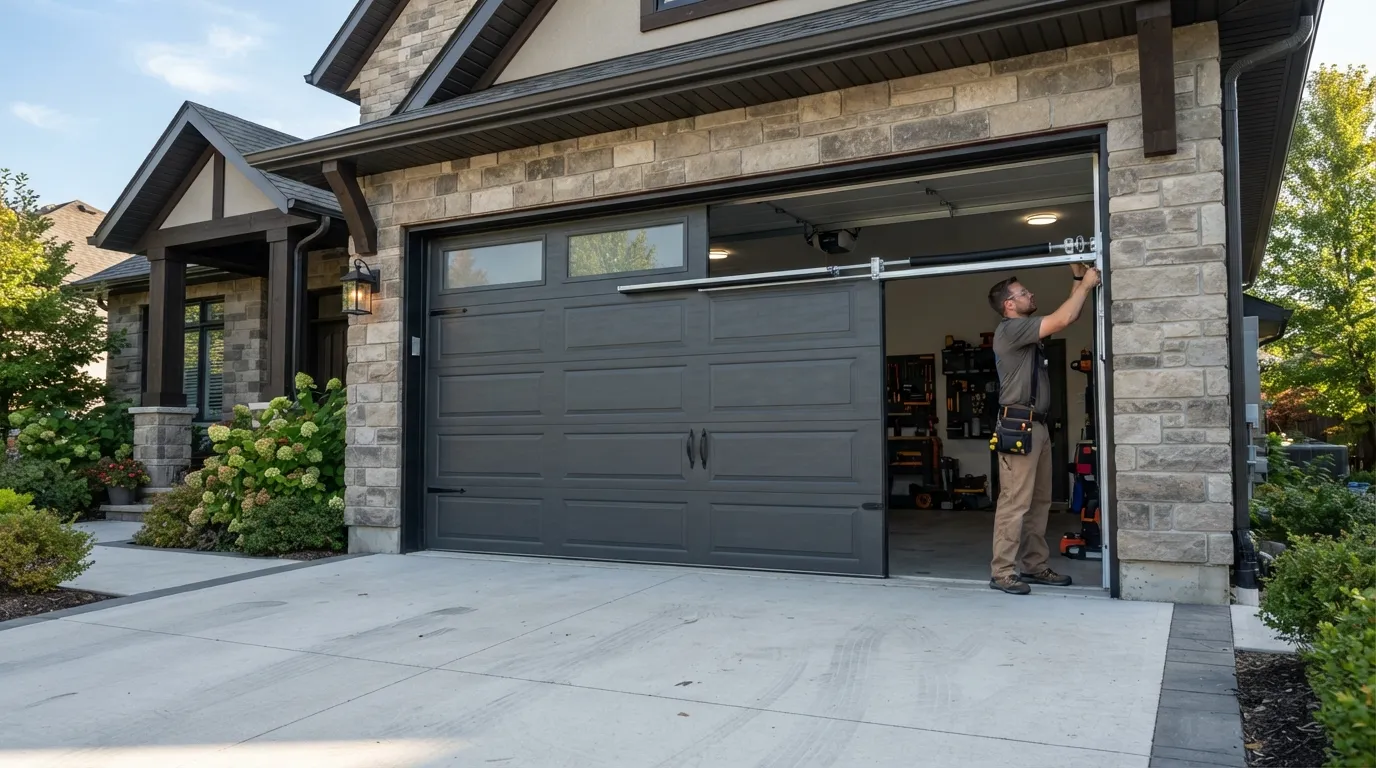
Ready when you are
Gurnee Garage Door Pros repairs and installs garage doors, springs and openers in Gurnee, IL and the surrounding area.