Park City, Gurnee

Garage Door Maintenance for Park City, IL Homes

Park City's houses went up mostly in the early 1980s, a few years ahead of the wider service area's median. Here's what that means for spring and roller wear.

Garage Door Maintenance for Park City, IL Homes in Gurnee
Serving Gurnee, ILBackground-checked techsHonest, upfront pricingFast local response

On the truck

Parts We Carry

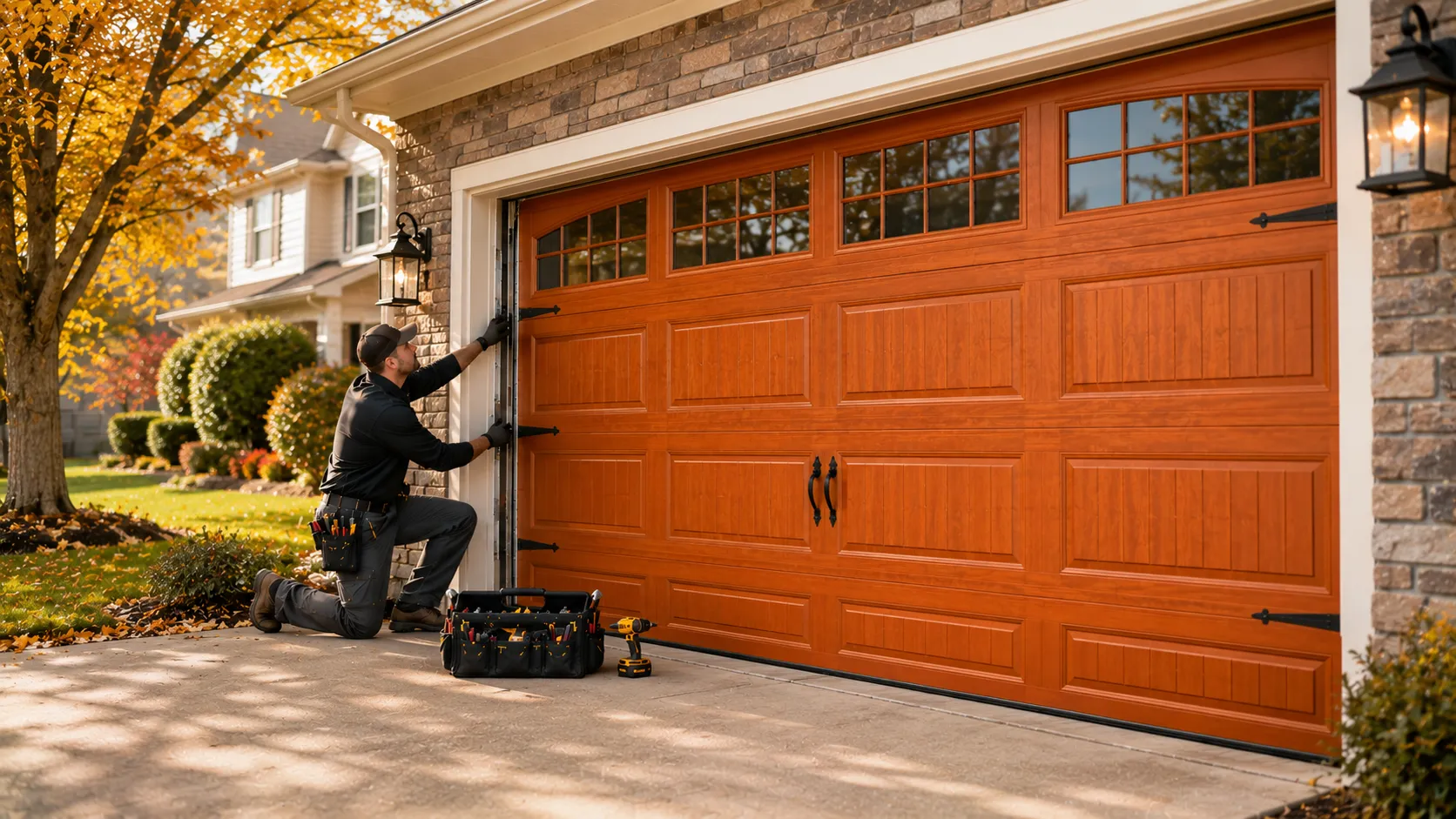
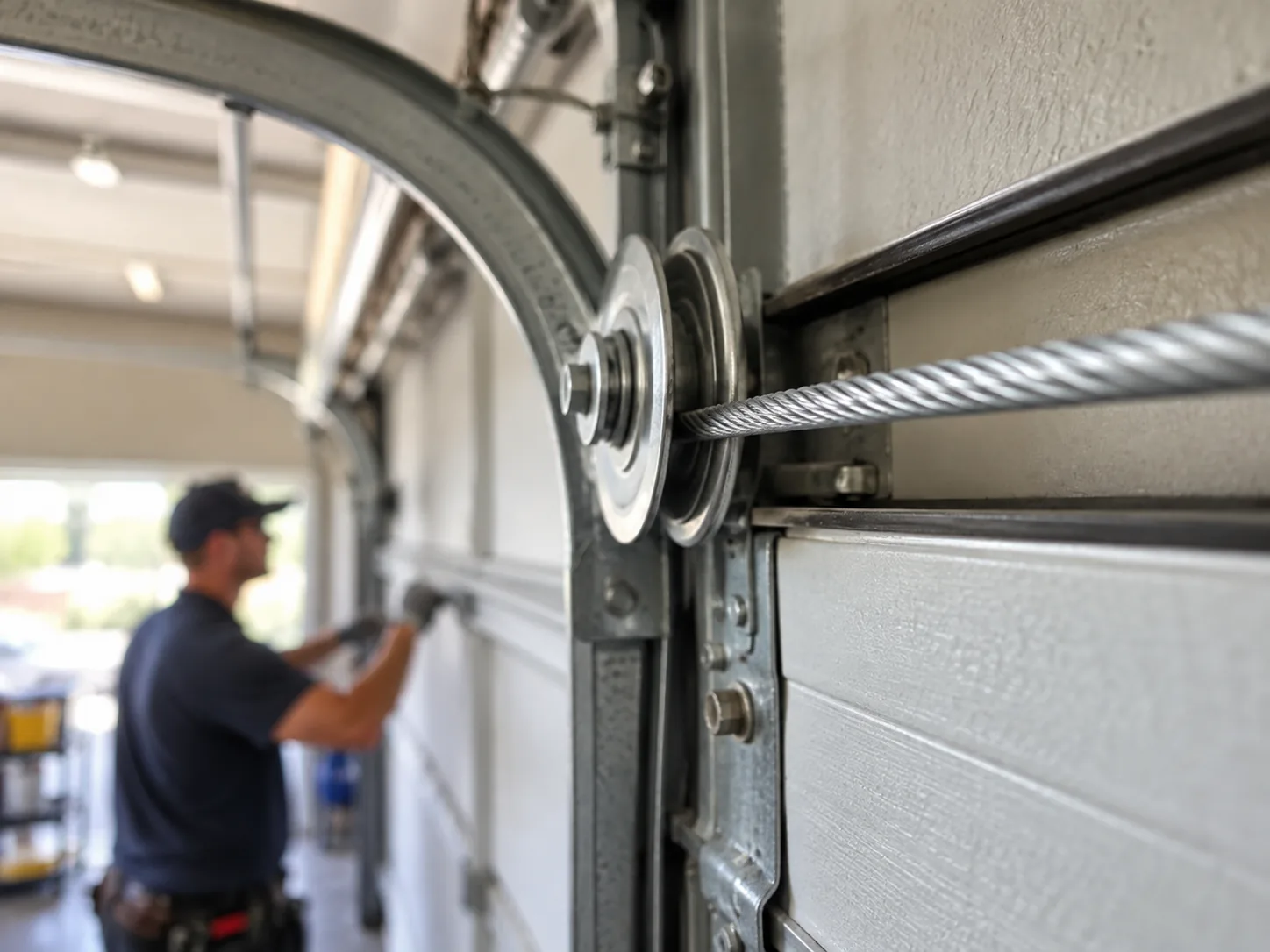
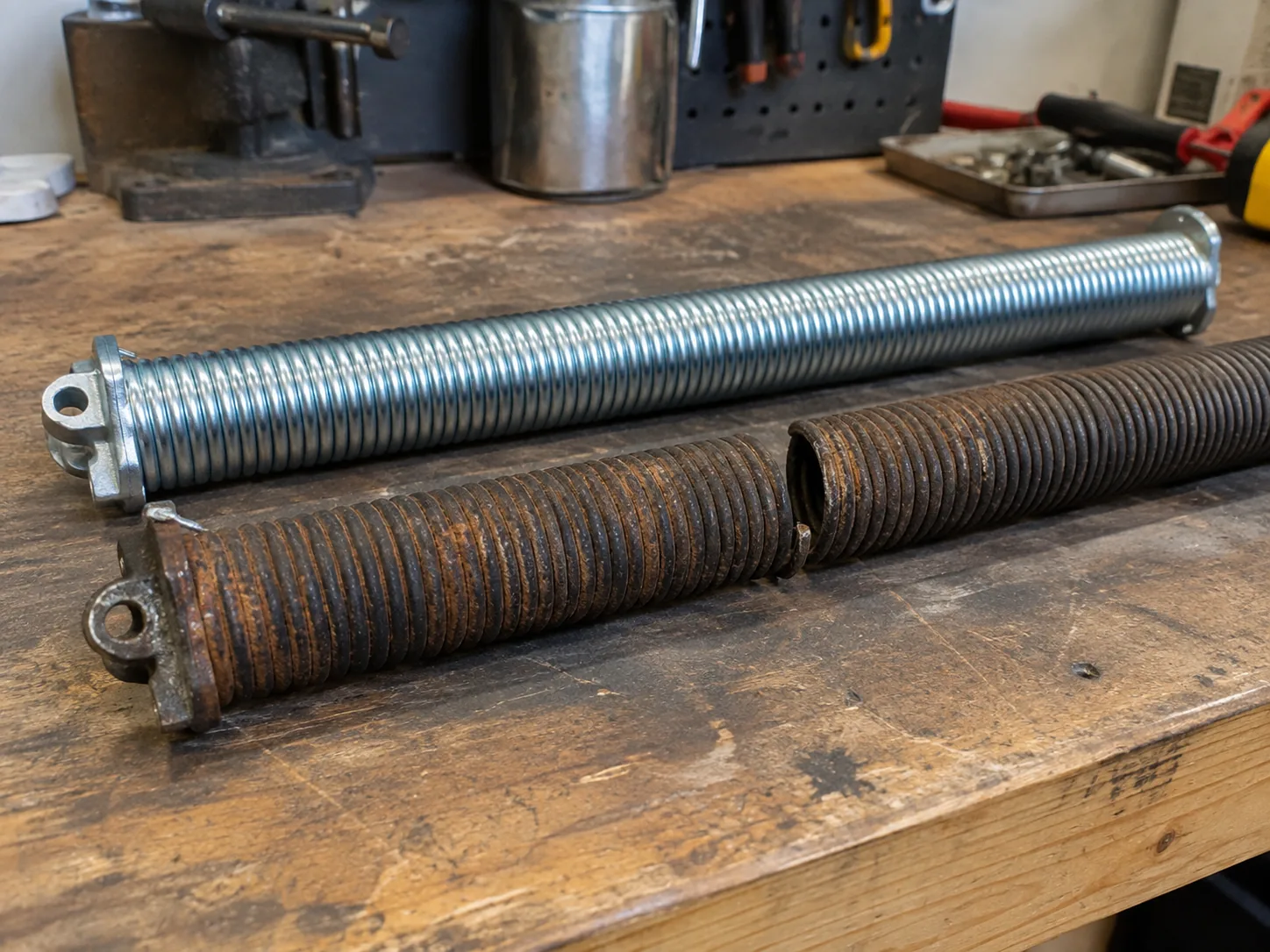
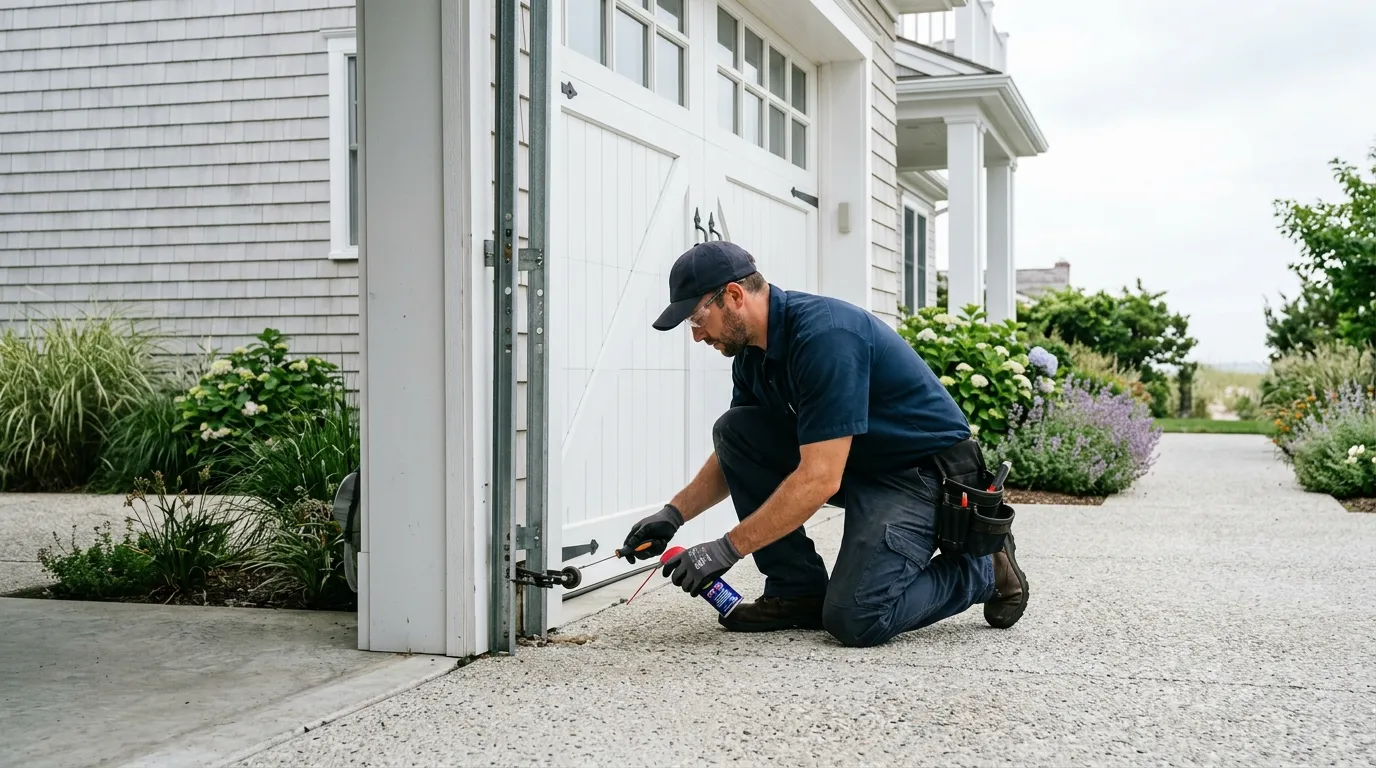
Park City's houses cluster around 1983, which puts most of the town a few years ahead of the 1986 median we see across the rest of the service area we run from Gurnee. That gap matters more than it sounds. A door built in the early 1980s is old enough that its torsion spring has likely been swapped once already, but the drum, the end bearing plate, and the track brackets are often still original. Those parts weren't made to a single national spec back then, so when a spring finally fails on one of these doors, we're matching wire size and wind direction by hand rather than pulling a bar-code part off a shelf. We carry a working range of torsion springs, extension cables, nylon and steel rollers, and standard-lift hinges on the truck, along with the hardware to true up a track that's drifted out of plumb over three-plus decades of use. What we don't stock is anything obsolete enough to need a special order - a handful of older jamb brackets fall into that category, and if that's what your door needs, we'll tell you the wait up front rather than guess at it.

We service from Gurnee, [about two miles away](/park-city/garage-door-service/), so we're not carrying a warehouse's worth of stock on every visit - just what covers the housing stock this side of town.

Parts We Carry

Booking

Getting It Booked In

Park City is one of the closer stops on our route - about two miles from Gurnee, which means less time on the road and more time actually looking at the door.

  1. No Gurnee branch appointment

    We don't run a branch or a counter in Park City itself; every job here is dispatched out of Gurnee, so what you're booking is a scheduled visit, not a walk-in. With roughly 2,765 households in town, this isn't a market where we're chasing volume - it's a smaller number of doors that we get to know well over repeat visits.

  2. Spring tension checking routine

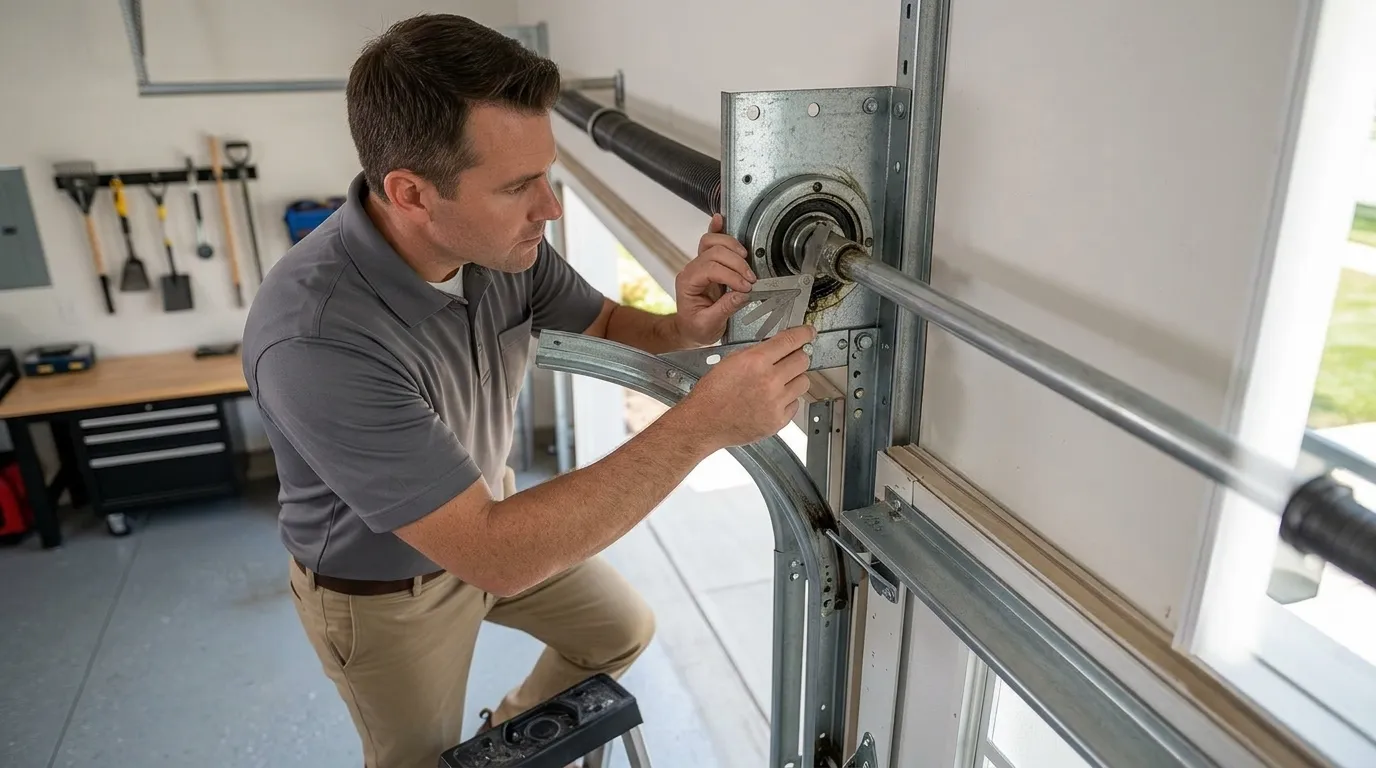
    Maintenance here tends to follow the same rhythm: check the spring tension, check the rollers and hinges for wear, check the track alignment, and check the opener's force settings, since a door that's drifted even slightly out of balance puts extra load on the motor every single cycle.

  3. Force settings balance verification

    Booking is straightforward - tell us the door's age and any noise or hesitation you've noticed, and we'll bring the parts that fit that era of hardware rather than showing up and hoping. If something needs a part we don't carry on the truck, we'll say so at the door, not after the invoice.

Watch-outs

What Can Go Wrong

This area sits in a cold, moderate climate band - not the harshest winters in the country, but enough freeze-thaw cycling every year to work on metal fatigue and lubricant.

1983 median spring decades

On a door installed around 1983, that means the torsion spring has had four decades of expansion and contraction, and the grease on the rollers and hinges has likely dried out more than once without anyone noticing until it started making noise.

Cold morning marginal failure

Cold mornings are when a marginal spring finally lets go, because cold steel is more brittle and the door itself feels heavier on a stiff torsion bar. We also see track misalignment more in this climate band than in warmer ones - the slab under the track shifts slightly with frost, and a track that's a quarter-inch out of plumb doesn't sound like much until the rollers start binding.

Track misalignment climate pattern

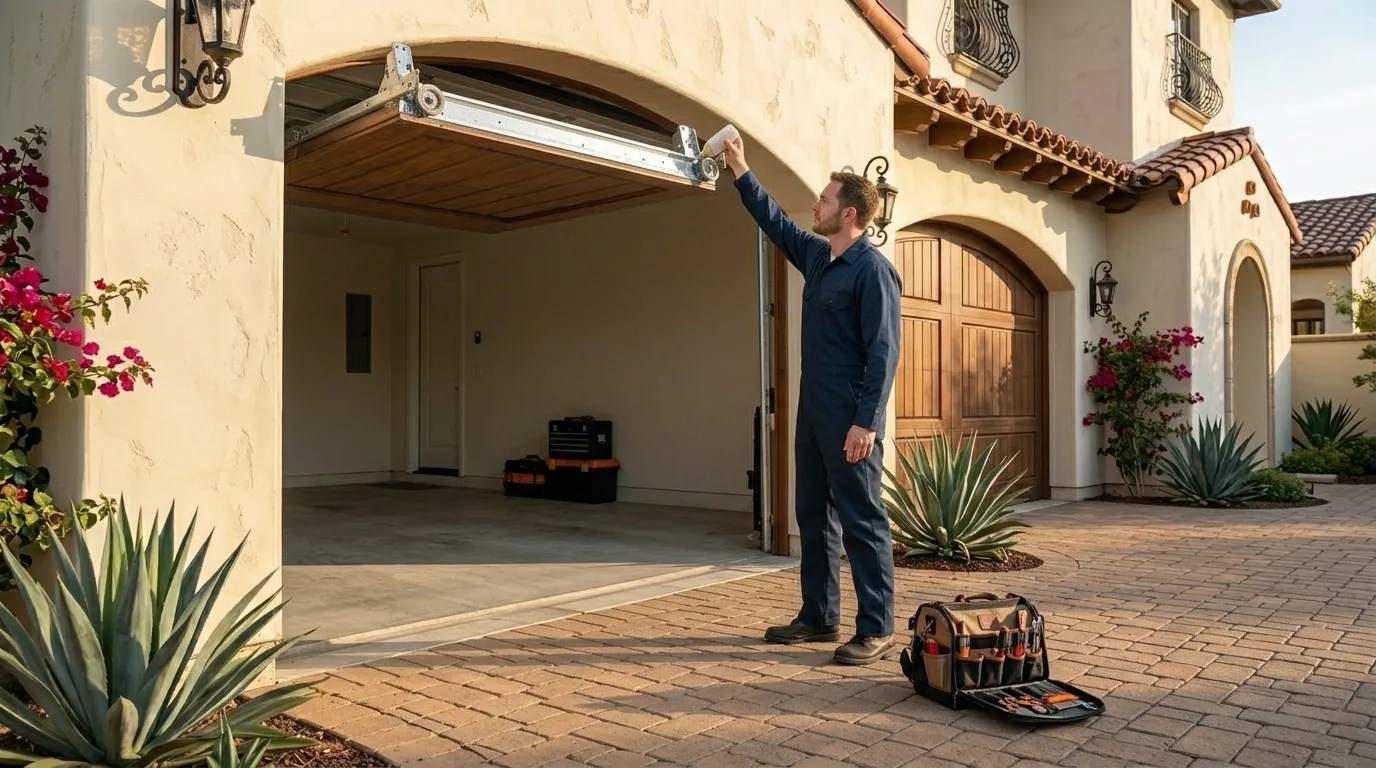
What we don't do is treat every noisy door as a spring replacement. Sometimes a dry hinge or a loose roller bracket is making all the racket, and tightening or lubricating it is a five-minute fix, not a parts sale. If we can fix it cheap, we will.

Symptoms

The Symptom

The most common call we get from homes built in the early 1980s in this part of the service area is a door that starts strong and then hesitates about a third of the way up - like the opener is straining for a second before it catches again.

Gradual tension loss pattern

That's almost always a spring that's lost tension gradually rather than snapped outright, and on a door this age it's often the original spring or its first replacement, both of which have had thirty-plus years of open-close cycles behind them.

Uneven closing roller wear

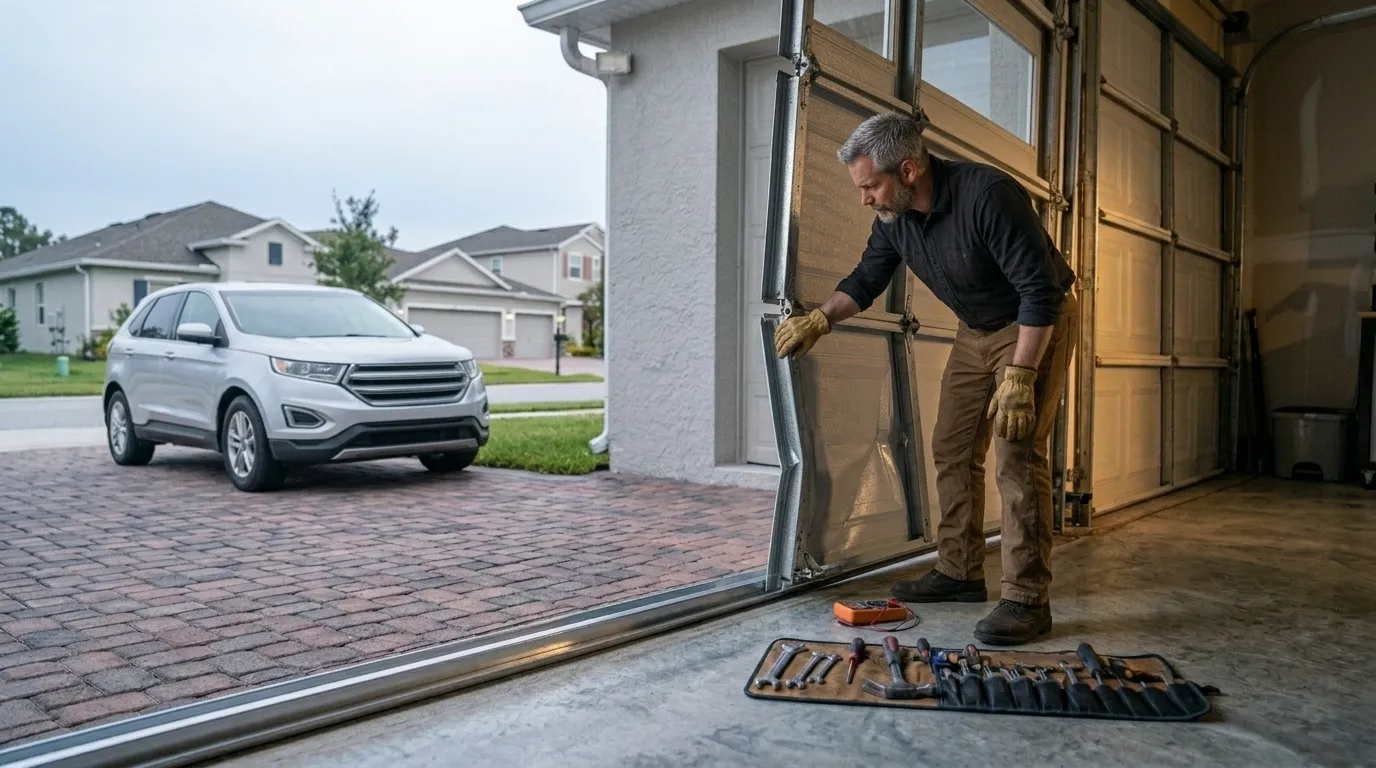
A second pattern we see: the door closes unevenly, one corner touching down before the other. On original 1980s track hardware, that's usually a roller that's worn oval instead of round, or a bracket that's worked loose from years of vibration.

Hesitation versus operation failure

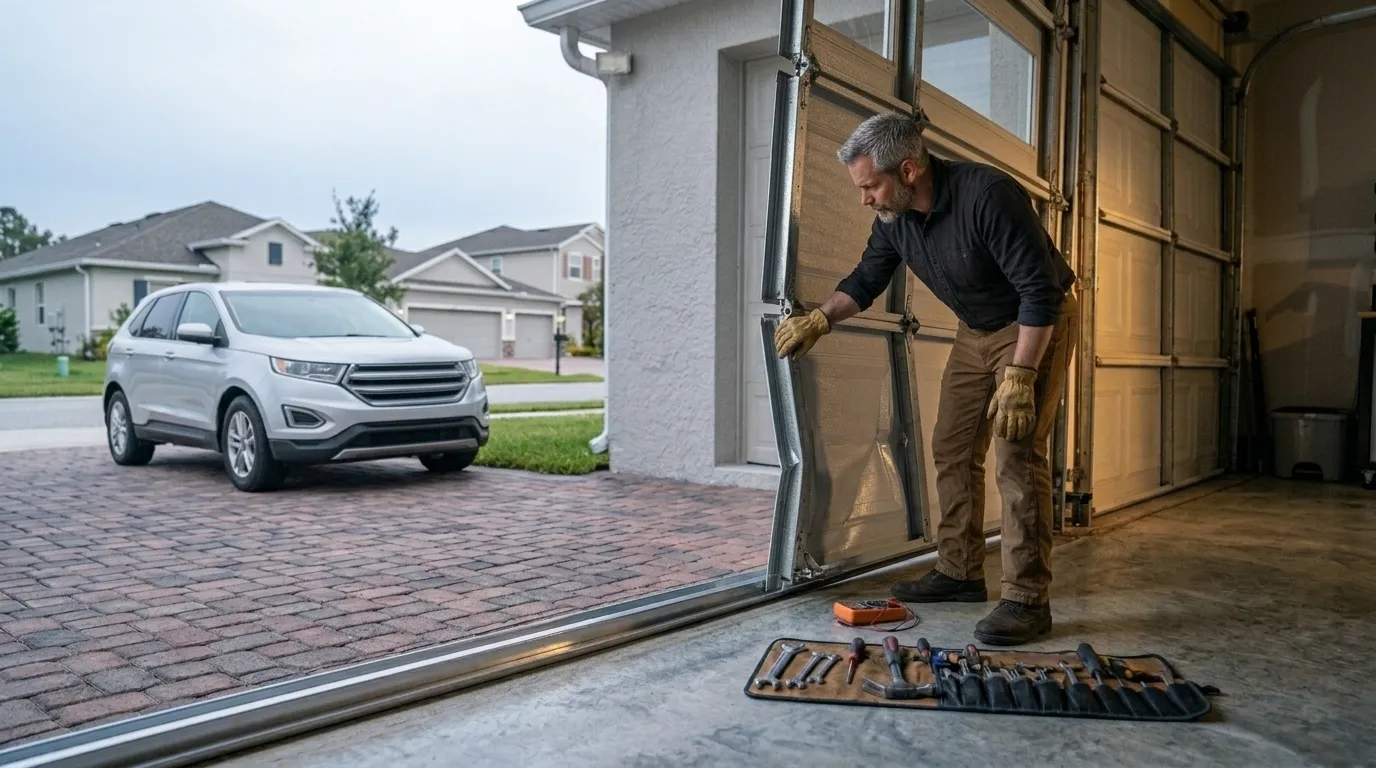
Either way, it's worth a look before the door binds hard enough to strain the opener's gears. We don't recommend waiting on either symptom. A door that hesitates or drops unevenly is still working - until the day it isn't, usually while it's holding several hundred pounds of steel over your head.

Pricing

What It Costs

We don't have a flat rate to quote here, because maintenance cost depends entirely on what the door needs - a lubrication and tension check is a different job from a spring swap on original 1983 hardware.

Lower median income context

What we can say is that this area's median household income, at $62,875, runs well under the $113,697 median across the full 154,459-household service area we cover from Gurnee. That's not a sales pitch; it's context for why we tell you what a job needs before we start, not after.

Maintenance versus replacement economics

On a door this age, the honest math is usually maintenance over replacement, at least at first - a worn roller or dry hinge is a small fix, and it's the kind of thing that keeps a 1980s door running for years yet.

Special-order discontinued parts delays

Replacement only makes sense once the track, the panels, and the spring are all failing at once, which does happen on doors this old, just not on every call. If a part needs to be special-ordered because it's no longer a common size, we'll tell you that cost and lead time up front rather than let it show up as a surprise on the bill.

Questions

Common questions

How old are most garage doors in Park City?

Houses in Park City cluster around 1983, a bit earlier than the 1986 median across the wider service area we cover from Gurnee. That means original torsion springs, rollers, and track hardware are more common here than in newer sections of the territory, and repairs often need parts matched by hand rather than pulled off a generic shelf.

Do you have a location in Park City?

No. We run every job in Park City out of Gurnee, about two miles away. There's no counter or branch to visit here - you book a scheduled visit and we bring the truck, stocked for the hardware common to this area's housing stock.

Is maintenance worth it on an older door?

Usually, yes. A worn roller, a dry hinge, or a spring that's lost some tension is a small job compared to letting it run until something breaks under load. On doors from the early 1980s, regular checks catch that wear while it's still cheap to fix.

What if my part isn't something you carry on the truck?

It happens on older hardware, since some early-1980s brackets and fittings aren't a common stock size anymore. If that's the case, we'll tell you the cost and the wait for a special order before doing any work, not after.

Ready when you are

Need a garage door sorted in Gurnee?

Gurnee Garage Door Pros repairs and installs garage doors, springs and openers in Gurnee, IL and the surrounding area.

Call NowGet a quote